






Chiptune
Part of a series on Pixel Art. [View Related Entries]
[View Related Sub-entries]
About
Chiptune, also known as "chip music", is a style of synthesized electronic music made using sound hardware from old video game consoles, computer systems and music production software. Chiptunes are often associated with a form of digital art called pixel art, which features images that have been edited at the pixel level.
History
According to Wikipedia[1], the earliest computer music dates back to 1951 when the CSIRAC and Ferranti Mark 1 computers were used to make synthesized music. In the 1970s, other computers and video game consoles began using integrated circuits with sound logic to make music, including the TIA chip on the Atari VCS. Much of the inspiration for chiptunes music comes from the third generation video game consoles, the most notable being the Nintendo Entertainment System (NES) released in the US on October 18th, 1985. An iconic chiptune song from this era was the "Overworld" theme from the game Super Mario Bros.
Chiptune artist Trash80 is often credited as one of the earliest pioneers in the chiptune movement with his production of several independent chiptune-style songs in 2000 and the development of a device that allows midi-making on the Gameboy. In 2003, the Japanese chiptune band YMCK was formed, who eventually recorded music for the Nintendo DS game PiCOPiCT. In 2004, the NYC based chiptune indie rock band Anamanaguchi was formed that used a hacked original NES and Gameboy in live performances. In 2005, the American Grammy nominated musical group named MGMT was formed that has been known to fuse pop and chiptunes. In 2008, the NES-rock band I Fight Dragons was formed, who performed original works and covers of other songs in chiptune style.
Online Presence
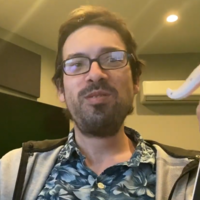
On August 20th, 2000, the chiptune artist collective 8bitpeoples[5] was launched, which was founded by notable chiptune musicians Nullsleep and Tangible. On August 26th, 2008, the /r/chiptunes[2] subreddit was launched, which received more than 9,400 subscribers in the first four years. On December 22nd, 2009, the online community Chip Music[6] was launched, which hosts music made by a variety of chiptune musicians. On February 7th, 2010, the "Fuck Yeah Chiptune" Tumblr[4] blog was launched, which highlights notable chiptune tracks and music videos. On May 21st, 2013, The New York Times[7] published an article about chip music, which highlighted notable YouTube videos of artists Henry Homesweet (shown below, left) and Anamanaguchi (shown below, right).
Notable Videos
Search Interest
External References
[2] Reddit – /r/chiptune
[3] Free Music Archive – chiptune
[4] Tumblr – Fuck Yeah Chiptune
[5] 8bitpeoples – 8bitpeoples
[6] Chip Music – Chip Music
[7] New York Times – Bleep Bloop







Top Comments
artificialcarpet
Jul 21, 2013 at 08:42PM EDT in reply to
Anormulus
Nov 11, 2011 at 02:06PM EST